

05.21.2026 PropStream
Disclaimer: PropStream does not provide legal, financial, investment, or real estate advice. This article is intended for informational and educational purposes only. Always perform your own due diligence before making real estate decisions or contacting property owners.
|
Key Takeaways:
|
Some homeowners are sitting on a surprising amount of equity without even realizing it. Meanwhile, investors, wholesalers, and agents are actively searching for those opportunities every single day.
That’s exactly why high-equity homeowners continue to be one of the most valuable lead sources in real estate. After all, in today’s market, “I bought this house years ago” can sometimes quietly translate into “I’m sitting on a lot more equity than I thought, and can use that to buy my dream home.”
Let's explore home equity, why high-equity homeowners are great leads, and how you can find them.
Table of Contents |
What Is Home Equity?
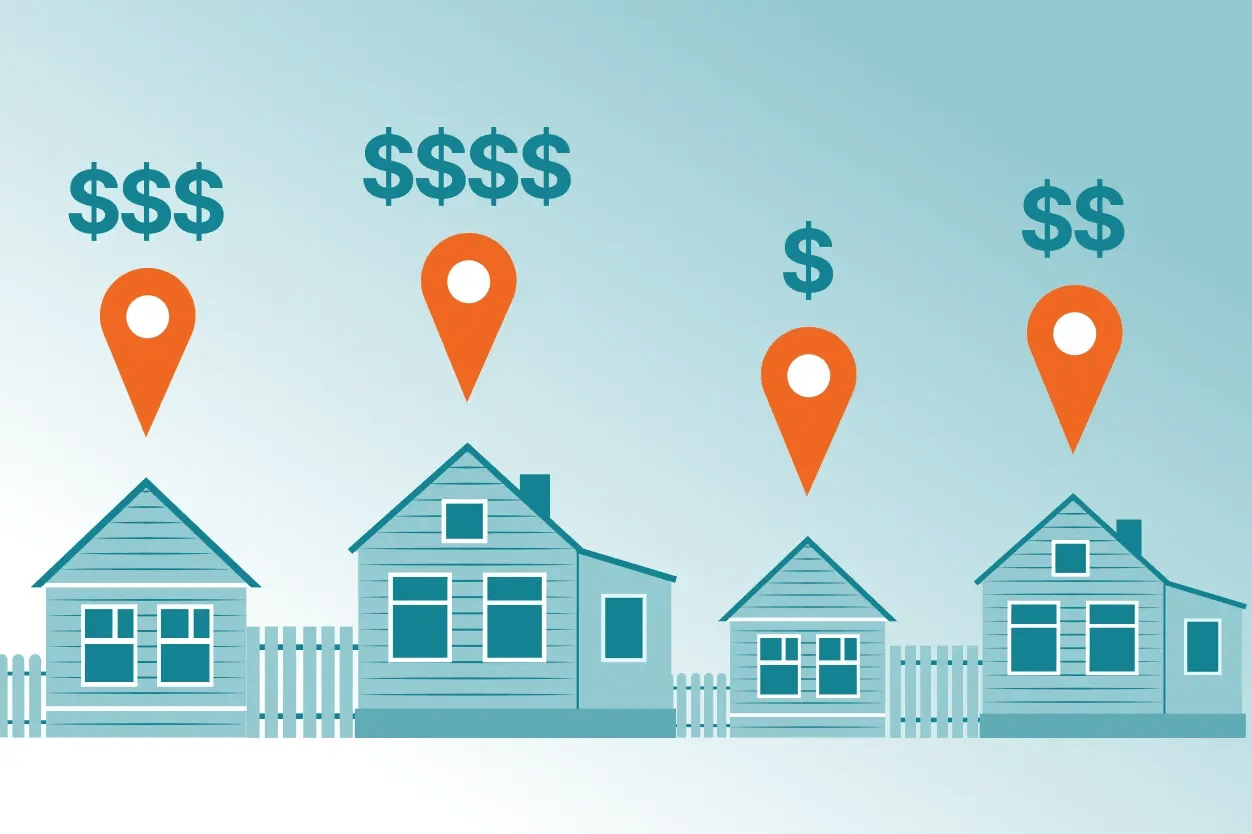
Home equity is the portion of a property that the homeowner truly owns. In simple terms, equity is calculated by subtracting the remaining mortgage balance from the property's current market value.
For example, if a home is worth $500,000 and the homeowner still owes $200,000 on the mortgage, the remaining $300,000 would be considered equity. In other words, the homeowner has built $300,000 worth of ownership in the property.
Many homeowners naturally build equity over time as they:
- Pay down their mortgage
- Benefit from property appreciation
- Renovate or improve the home
- Hold the property for several years
For real estate professionals, equity can be an important indicator of financial flexibility and seller motivation.
What Is a High-Equity Homeowner?
A high-equity homeowner is someone who owns a large percentage of their property outright.
In most real estate investing scenarios, this usually means the homeowner has built up at least 50% equity in the property through years of mortgage payments, property appreciation, or a combination of both. Some homeowners may even own the property free and clear, meaning there is no active mortgage attached to the home at all.
High-equity homeowners continue to make up a significant portion of today’s housing market. In fact, during Q1 2026, 43.3% of mortgaged residential properties nationwide were considered equity-rich. While that figure dipped slightly from the previous quarter, it still highlights just how many homeowners have built substantial ownership value over time.
On the flip side, homeowners with little or negative equity are often referred to as being “upside down” on their mortgage, meaning they owe more than the property is currently worth.
Related Read: What Is an Upside-Down Mortgage?
Finding High-Equity Homeowners With PropStream

One of the easiest ways to search for high-equity homeowners in PropStream is by using the built-in High Equity Lead List, which identifies properties that have:
- 50% or more equity
- Less than a 50% loan-to-value ratio
- $100,000 or more in estimated equity
PropStream also includes over 165 filters and 20 pre-made Lead Lists, making it easier to narrow down opportunities through list stacking instead of building searches entirely from scratch.
Check out the video below to learn more about how to search with filters inside PropStream and refine your high-equity lead lists further.
Pro Tip: Once you build your high-equity lead list, use the AI-Powered PropStream Intelligence Assistant to quickly uncover deeper property insights directly within your workflow.
You can ask questions like:
-
“How much estimated equity does this homeowner have?”
-
“Does this property show signs of seller motivation?”
-
“How long has the owner held this property?
Here is a quick demo showcasing how it works inside PropStream.
Why High-Equity Leads Matter to Real Estate Professionals
High-equity homeowners remain one of the most attractive lead sources in real estate because they often have more financial flexibility, longer ownership histories, and potentially stronger motivation signals compared to heavily leveraged homeowners.
Different types of real estate professionals find high-equity leads for different reasons.
Wholesalers
For wholesalers, high-equity leads can be especially valuable because they often provide more flexibility during negotiations.
Homeowners with significant equity may not be under as much pressure from large mortgage balances, which can sometimes make creative financing deals or discounted cash offers easier to discuss. In many cases, wholesalers work with long-term owners, tired landlords, heirs, or homeowners in other distressed situations where they've built substantial equity over time.
Pro Tip: High-equity properties may have more room for assignment fees, as the gap between the remaining mortgage balance and the property’s current market value may be significantly larger.
Within PropStream, wholesalers often build high-equity list stacks using filters like:
This helps narrow down property owners who may not only have equity, but also a potential reason to sell.
If you’re new to wholesaling, PropStream Academy’s free Introduction to Wholesaling course is a great way to build confidence, learn key terminology, and better understand the process before working on your first deal.
Fix-and-Flip Investors
For fix-and-flip investors, high-equity properties can often signal long-term ownership, which may sometimes come with deferred maintenance, outdated interiors, or renovation opportunities. Many homeowners who have built substantial equity over the years may prefer selling as-is rather than investing additional money into repairs or upgrades before listing the property.
In some cases, major life events such as retirement, divorce, inheritance, relocation, or managing an aging property from out of state can create opportunities for homeowners to be more open to selling quickly or off-market.
A high-equity fix-and-flip list stack inside PropStream may include:
- Older properties
- Absentee ownership
- Out-of-state owner
- Divorce
- Vacant status
- Tax delinquency
- Failed listings
- Long ownership duration
- Free and clear properties
Layering these filters can help uncover properties that may have both equity and value-add potential.
Pro Tip: Once you find a potential flip opportunity, use PropStream’s Fix & Flip Analyzer to estimate repair costs, analyze renovation expenses, and better understand your potential profit margins before moving forward.
Real Estate Agents
For real estate agents, high-equity homeowners are often future listing opportunities, not necessarily distressed sellers. Agents can position themselves as advisors helping homeowners understand their options rather than pitching quick cash offers.
Many long-term homeowners may not even realize how much equity they’ve built over the years. This creates opportunities for agents to start conversations around downsizing, relocating, upgrading, investment opportunities, or simply understanding current market value before Zillow becomes their financial advisor.
An agent-focused high-equity stack inside PropStream combines:
- Long ownership duration
- Free and clear properties
- Senior owners
- Out-of-state owners
- Failed listings
- Absentee ownership
At the end of the day, high-equity leads aren’t exactly hidden — they’re just buried under a mountain of property information. The investors and agents finding them faster are usually the ones using platforms like PropStream to cut through the noise.
Related Read: Why Agents Who Embrace Real Estate Data Will Dominate in 2026
Search, Identify, and Connect With High-Equity Homeowner Leads
Once you identify and refine your high-equity lead list, PropStream makes it easy to move from research to outreach without constantly jumping between different tools. Users can skip trace properties for owner contact information and then connect with homeowners using built-in Click-to-Dial, Dialer Campaigns, Email Campaigns, and Direct Mail, all in one platform.
Because at the end of the day, finding the lead is only half the process — the real opportunities usually start once the conversation begins.
*PropStream engages an independent third-party to perform skip tracing.