

08.10.2026 PropStream
Disclaimer: PropStream does not offer financial or legal advice. This article is for informational purposes only. We recommend conducting your own market research or consulting financial and/or legal professionals before investing in real estate.
|
Quick Answer: Five trends are shaping the housing market: mortgage rates have climbed above 7% for the first time since January 2025, housing inventory is rising, home prices are moderating, days on market are holding steady, and foreclosures are ticking up. |
The housing market has been in a slump recently, but that could change. More homeowners are accepting higher mortgage rates and listing their homes for sale, expanding inventory. Meanwhile, many buyers are welcoming stagnating home prices despite higher mortgage rates.
Read on to learn more about current U.S. housing market trends and what they mean for real estate investors and agents.
Key Takeaways:
|
Mortgage Rates Are Climbing
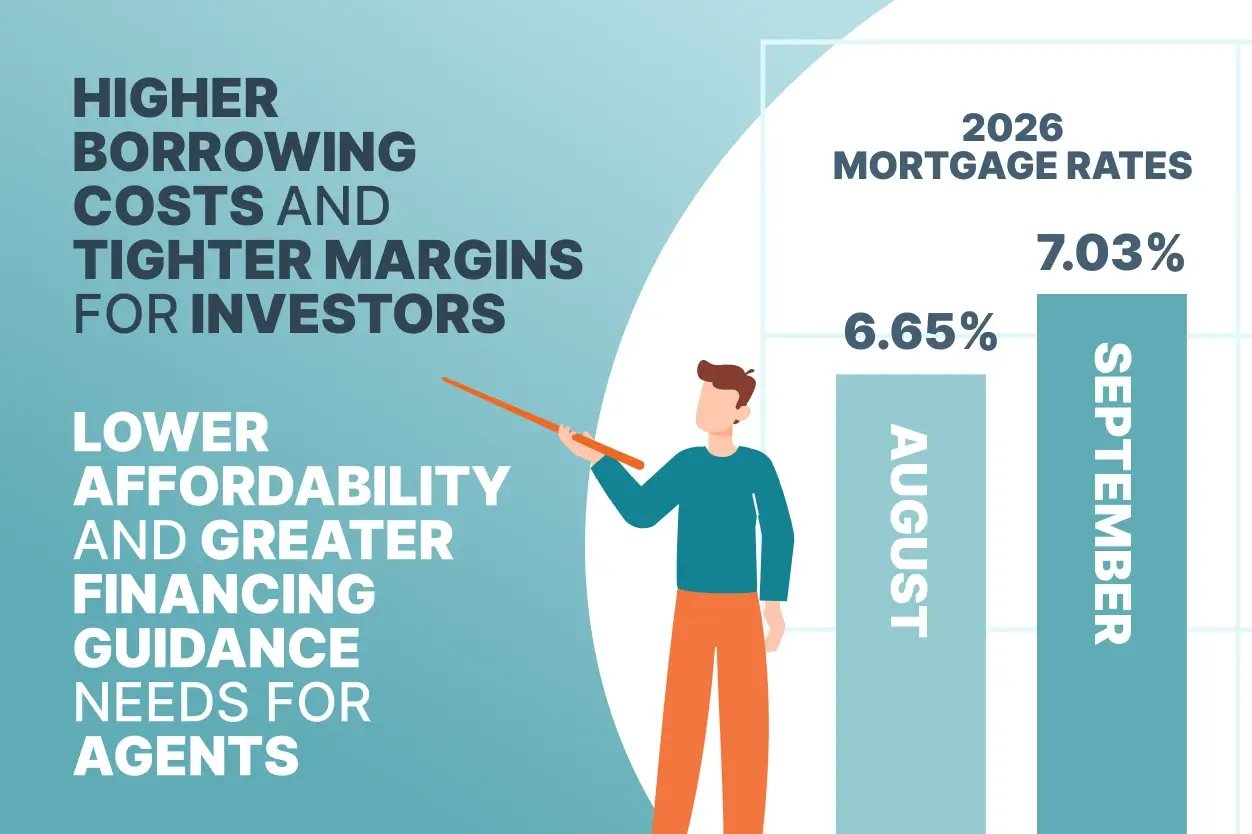
The average 30-year fixed mortgage rate went from 6.65% on August 20 to 7.03% on September 24. That’s an increase of 38 basis points (0.38%) in about a month, and the first time rates have been above 7% since January 2025. Many trace the jump to rising fuel costs and inflation tied to geopolitical conflicts.
For investors, higher mortgage rates can increase borrowing costs and shrink profit margins, making all-cash purchases and creative financing strategies more attractive.
For agents, higher mortgage rates can mean fewer buyer leads due to lower home affordability. As a result, agents may need to spend more time educating clients on rate buydowns and other financing options to keep deals alive.
Pro Tip: Are you an investor looking for your next opportunity but hesitant due to high interest rates? Consider pursuing properties with assumable mortgages! Learn more about assumable mortgages and how to find opportunities in this blog post.
Housing Inventory Is Increasing
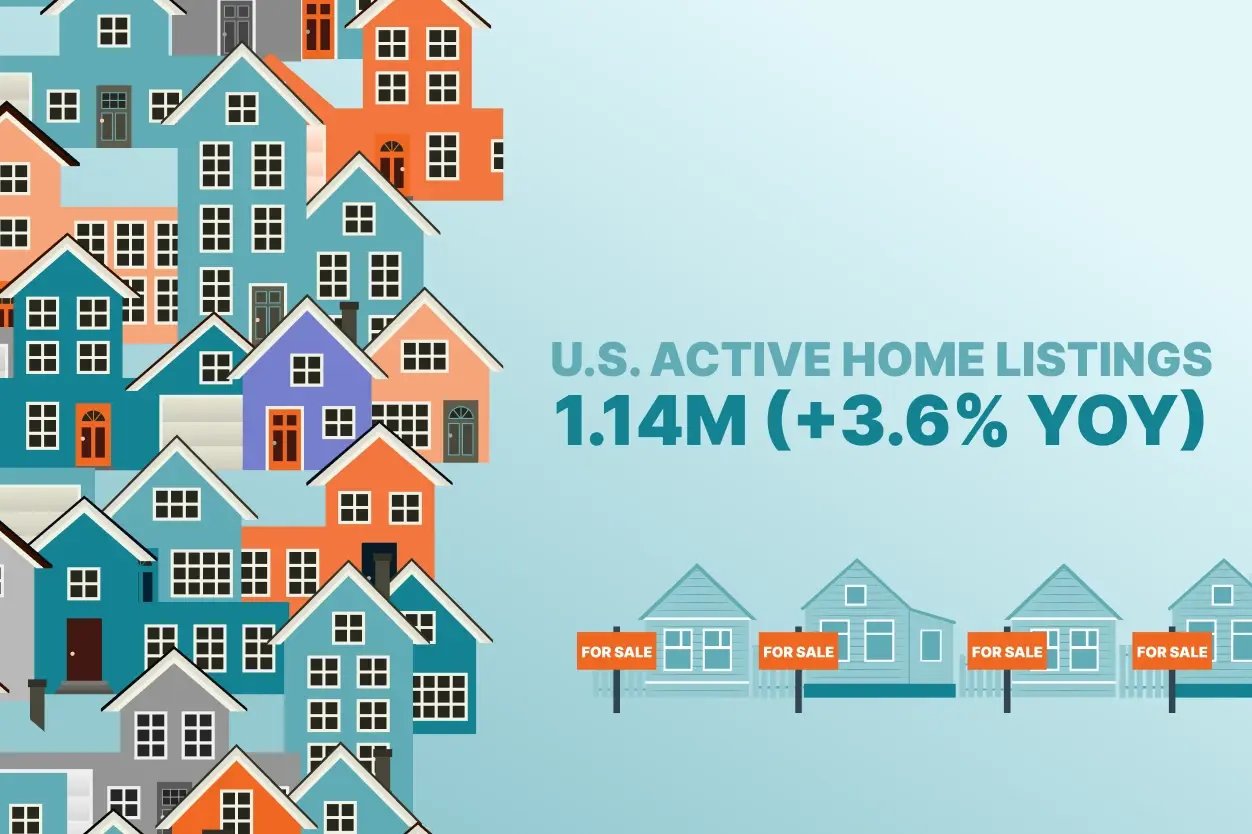
Housing inventory is also on the rise. In August 2026, the number of active U.S. home listings reached 1,140,035, a 1.22% increase from the prior month and a 3.6% increase from the same time last year.
Part of this increase may be due to homeowners acclimating to higher mortgage rates, easing a “lock-in effect” that kept many from selling. As a result, there are now more homes listed.
For investors, growing housing inventory can lead to more investment opportunities and less competition per property (all else equal). This, in turn, can result in more negotiating leverage and potential below-market deals.
For agents, more inventory can mean more listings to market, but also more competition per listing, requiring stronger pricing and marketing strategies to stand out.
Home Prices Are Moderating
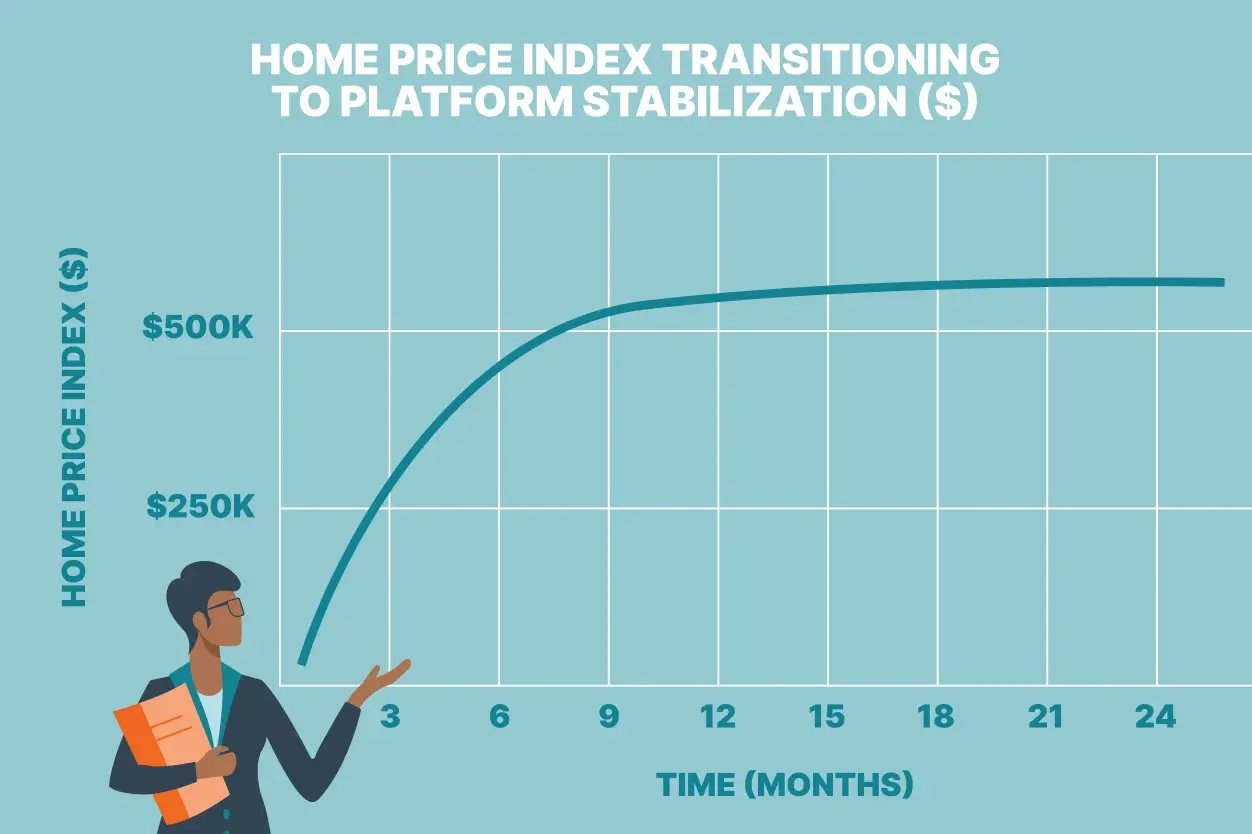
After a historic spike in the average U.S. home sale price from $371,000 in Q2 2020 to $525,100 in Q2 2025 (a 41.5% increase), home prices have begun to moderate again. Since 2022, the average home price has stayed within the $500,000 to $550,000 range.
The recent price moderation may be the result of increased inventory and the housing market slowly turning in buyers’ favor. Homeowners may have come to terms with lower prices and adjusted their asking price accordingly.
For investors, flatter prices can make it harder to rely on market appreciation for returns. Instead, you may need to focus on finding cash-flowing rentals or value-add opportunities.
For agents, moderating prices can ease affordability concerns and bring hesitant buyers back into the market. However, agents must also manage the expectations of sellers who are still anchored to peak pricing.
Median Days on Market Is Staying Steady

Days on market measures how long it takes a home to sell after it’s listed on the multiple listing service (MLS). In August 2026, the median days on market was 60, up from 57 a month prior but the same as it was a year prior.
Sixty days on market is still within the upper bounds of a balanced market, but is on the edge of being considered a slow market. In other words, inventory is moving at a slow, steady pace.
For investors, slightly longer days on market can mean more room to negotiate price or deal terms, but it can also make it take longer to flip properties.
For agents, when listings take longer to sell, it may mean they need more proactive marketing, price adjustments, or staging to avoid sitting too long and losing buyer interest.
Foreclosures Are Ticking Up
Note: The foreclosure rankings and pre-foreclosure rankings shared below measure different aspects of the foreclosure process and should not be compared directly. The foreclosure rankings use ATTOM data, which measures foreclosure activity relative to each state's housing inventory, while the pre-foreclosure rankings are based on PropStream data, which reflects the total number of properties currently in the pre-foreclosure stage. Differences in methodology, state housing inventories, foreclosure laws, and the stage properties are in the foreclosure process may result in different states appearing at the top of each list.
Finally, foreclosures are inching upward, though they remain below pre-pandemic levels. In August 2026, there were a total of 40,277 properties with default notices, scheduled auctions, or bank repossessions. That’s up 1% from July 2026 and up 13% from August 2025.
States with the highest foreclosure rates include:
- South Carolina (1 in every 1,547 housing units)
- Nevada (1 in every 1,920 housing units)
- Florida (1 in every 2,397 housing units)
- Texas (1 in every 2,445 housing units)
- Maryland (1 in every 2,530 housing units)
|
Pro Tip: Want to access foreclosure leads before competitors do? Search for pre-foreclosures! Pre-foreclosure is an early phase of the foreclosure process. During this stage, property owners retain the authority to sell their real estate prior to repossession and its release to the broader market through a public auction. States with some of the highest pre-foreclosure numbers include:
Data taken from PropStream Use PropStream’s dedicated Pre-Foreclosure Lead List to focus on homeowners who may be seeking an exit. |
Disclaimer: Pre-foreclosure data is dynamic and subject to change as property and foreclosure records are updated. The figures in this report reflect PropStream data available at the time of report creation and may differ from current results.
For investors, rising foreclosure activity can expand opportunities for off-market and distressed property deals.
For agents, more foreclosure activity can be a good opportunity to position themselves as foreclosure specialists, helping distressed sellers navigate their options and connect them with investor clients.
Monitor Your Housing Market and Find Deals with PropStream
Whether you’re an investor or an agent, keeping up with the housing market is crucial. It helps you seize opportunities and avoid potential pitfalls.
Don’t fall behind on the latest trends. Use PropStream to keep up with your market and identify investment opportunities in real time. Once you do, you can skip trace prospects’ contact information and launch direct mail, email, and dialing campaigns without leaving the platform.*
*PropStream engages an independent third-party to perform skip tracing.