
08.24.2026 PropStream
Disclaimer: This article is provided by PropStream for informational purposes only and does not constitute legal advice. We strongly advise that you conduct thorough due diligence regarding the suitability of any suggestions herein for individual client circumstances before making recommendations.
|
Key Takeaways:
|
Housing affordability is still a major issue in the U.S., with over 65% of households unable to afford a median-priced home.
With high mortgage rates, low inventory, and rising property taxes and insurance costs, buyers are still struggling to break into the market. This problem affects agents, too, making it more difficult to find clients and close deals consistently.
Fortunately, with a few creative tweaks to their approach, agents can rise above these challenges. Read on to learn how housing affordability can affect your business—plus our top tips for generating and converting leads in today’s market.
Table of Contents |
Why Housing Affordability Challenges Matter for Agents

Housing affordability can create several issues in the real estate market that indirectly affect agents. For example, fewer qualified buyers often leads to longer sales cycles. This means deals take longer to close, and commissions are more spread out.
Affordability also impacts how buyers make decisions. Buyers who are worried about their finances may delay making an offer or drop out of the running altogether.
Limited inventory is a factor, too. Fewer homes on the market lead to greater competition, which makes deals harder to secure. To make a winning offer, buyers often have to bid above the asking price or compromise on contingencies, and many may be unwilling to make those sacrifices.
Despite these challenges, agents don’t need to panic. They simply need to adapt some of their strategies to continue uncovering fresh leads and converting clients.
5 Practical Tips to Overcome Home Affordability Challenges
1. Focus on off-market and overlooked properties
Off-market properties are those that sellers haven’t officially listed for sale yet. Often, these homeowners are facing difficult situations that require them to sell quickly, such as preforeclosure, divorce, probate, or vacant or rundown rentals. As a result, they’re often willing to give buyers a good deal on the sale price, especially if they can close quickly.
Fixer-uppers are another underutilized opportunity. If buyers are willing to invest in repairs after closing, they may be able to secure a better deal on the home. Just keep in mind that if a property is too damaged, many lenders won’t finance it.
2. Educate clients on affordability trade-offs
If price is a buyer’s main concern, encourage them to consider alternative features or locations to stay within budget.
For example, homes are generally more expensive in metropolitan areas and prime neighborhoods. Your client may be willing to look at homes farther from the city or in more affordable neighborhoods.
Properties with fewer bells and whistles are generally priced toward the lower end of the market. As long as a home meets their nonnegotiable goals, buyers may be willing to accept less square footage, a smaller yard, older appliances, or fewer eco-friendly features.
3. Leverage community strategies
Many communities offer programs to make housing more affordable for residents.
Community land trusts can be a helpful option for lower-income households. A community land trust buys land, then sells the houses on those parcels. Because they’re only selling the buildings and not the land itself, they can sell at below-market prices.
You can research similar local programs online to see what your community offers.
4. Innovative financing options
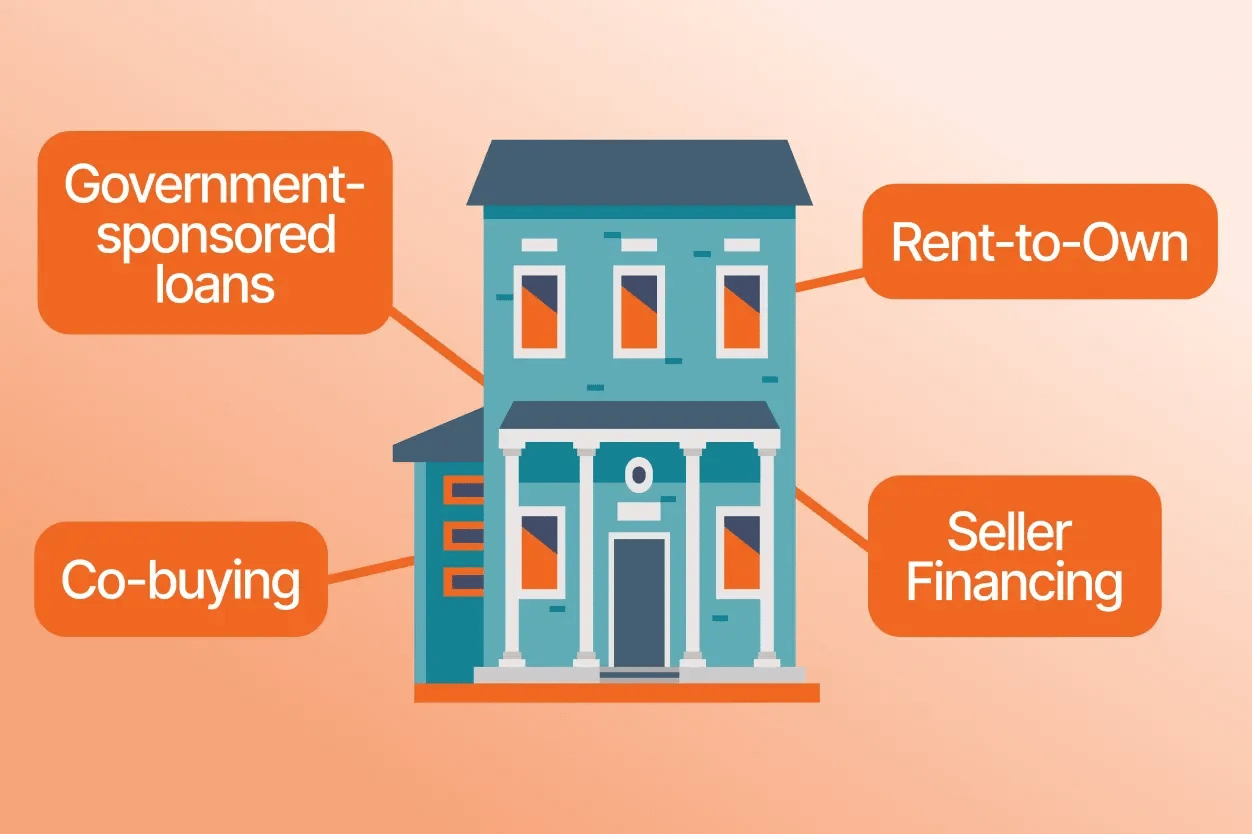
Government-sponsored loan programs and creative financing options can make buying a home more accessible.
Here are a few common strategies to consider:
- FHA and USDA loans offer options for lower down payments and closing costs. Their credit standards are often more lenient as well.
- HomeReady and Home Possible loans allow down payments as low as 3%, lower mortgage insurance requirements, and sometimes borrower credit.
- The Housing Choice Voucher (HCV) program provides assistance in buying a home and paying ongoing homeownership expenses.
- Co-buying allows the buyer to put down less money, though they must share the equity with their co-investor.
- With seller financing, buyers take out a mortgage directly from the seller, who may offer more flexible terms and pricing than a traditional lender.
- Rent-to-own allows buyers to put their monthly rent toward a future purchase of the home.
Note: Always conduct thorough research to ensure any recommended options are a suitable fit for your client before presenting them.
5. Use real estate information to uncover opportunities
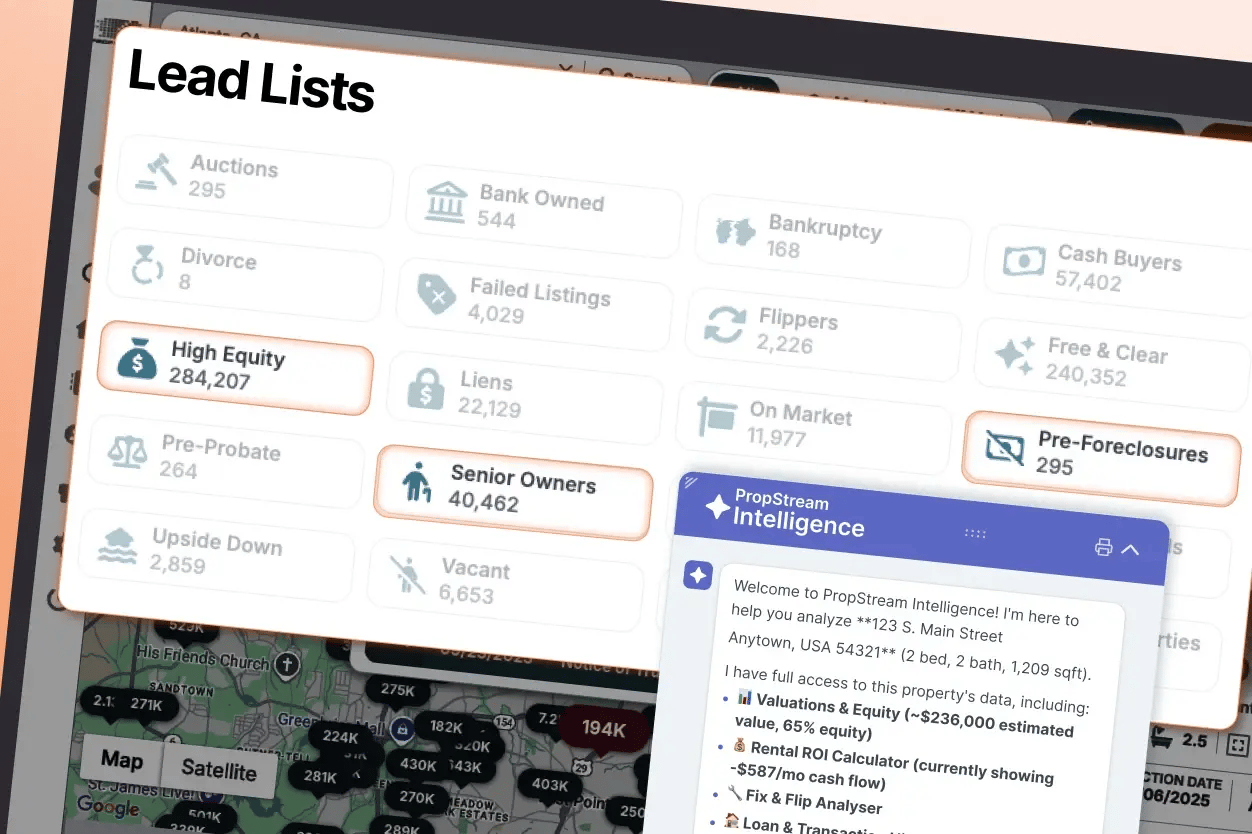
Agents can use real estate platforms like PropStream to uncover properties that are more likely to sell low.
|
Use search filters to find:
|
PropStream now offers an AI-powered PropStream Intelligence Assistant to help users easily sort through property details and ask custom questions (or use guided prompts) to analyze properties quickly. Learn more about it here.
Use PropStream for Faster Outreach
In highly competitive markets, quickly securing opportunities is key. Fortunately, you can speed up your sales momentum with aggregated data and outreach tools.
PropStream makes the transition from lead discovery to outreach fast and seamless with built-in workflows designed to power your outbound marketing efforts. Search for leads, identify qualified prospects, and connect with them all in one platform.
*PropStream engages an independent third party to perform skip-tracing.