
03.30.2026 PropStream
Disclaimer: PropStream does not offer financial or legal advice. This article is for informational purposes only. We recommend conducting your own research or consulting financial and/or legal professionals before obtaining an investment property loan.
|
Key Takeaways:
|
The right financing can make or break a real estate deal. To ensure you achieve your target return, you must choose the correct type of loan and carefully review its terms.
In this article, we’ll go over five investment property loan options and when to consider choosing each.
Why Choosing the Right Financing Matters
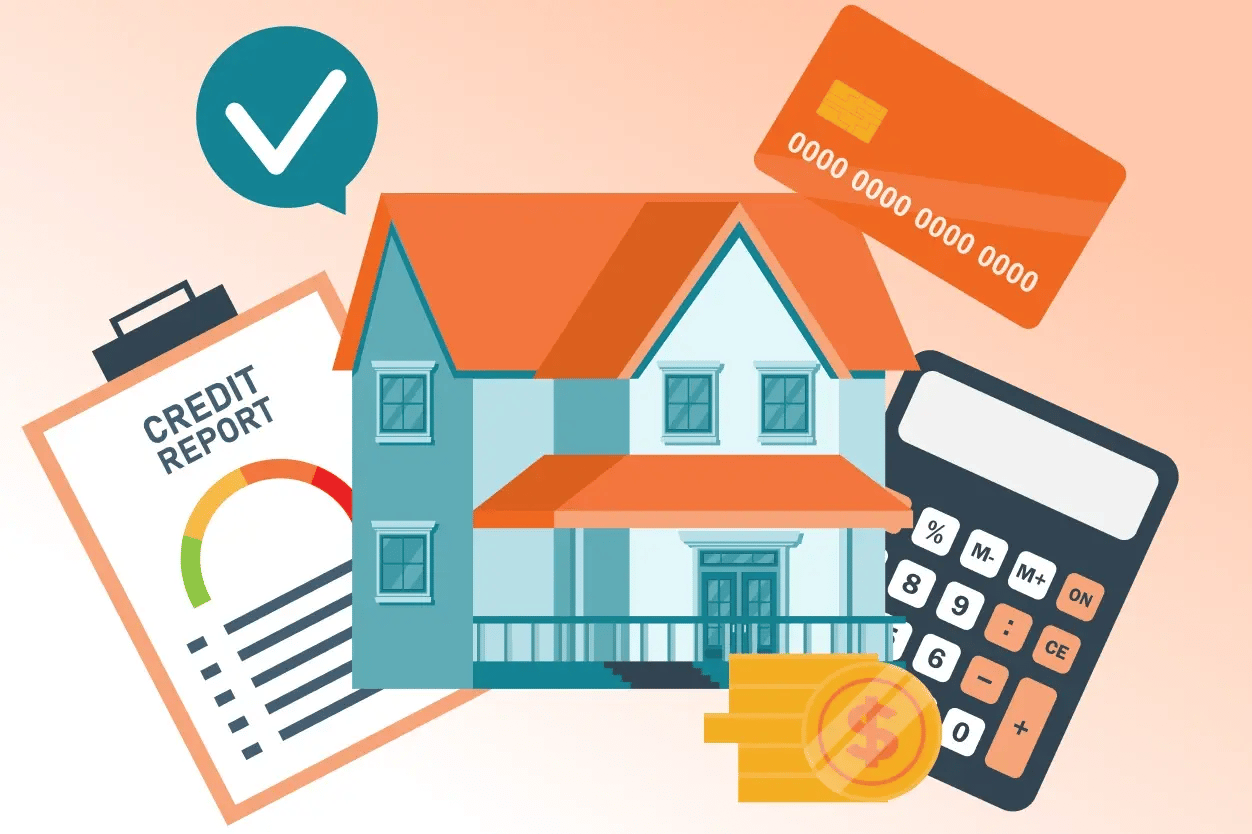
Financing a rental property can give you positive or negative leverage. Positive leverage increases your ROI, while negative leverage lowers it.
To achieve positive leverage, the interest rate on your loan must be lower than your projected annual return at a property level (aka cap rate).
Here’s an example:
Imagine you expect a rental property to generate a 10% annual return. For financing to increase your return, it must have an interest rate lower than 10% because it means the cost of financing will still be outweighed by the projected return.
Conversely, a loan interest rate higher than 10% would actually lower your returns because the cost of the loan starts eating into your profit margin. While the loan could still be worthwhile, the returns won’t be as strong as if you bought the property with cash.
Additionally, the type of loan you get must be suited to your intended rental investment. That’s why we’ve highlighted the pros, cons, ideal use cases, and qualification requirements for the five best rental loan types below.
1. Single-Family Residential Property Loans

Single-family residential property loans are designed for the purchase of existing single-family homes. Conventional home loans, the most common type of mortgage, fall under this category.
Single-family residential property loans are ideal for landlords starting with their first rental or even house hacking. However, they aren’t suited for other, larger investment property types.
To qualify for a single-family home loan, you must typically have a credit score of at least 620, a debt-to-income ratio (DTI) of up to 36%, and a down payment of at least 3%.
2. Multifamily Property Loans
Multifamily property loans are designed for properties with 5 or more living units. Think apartment buildings and condos. Since they’re owned exclusively by investors (not homeowners), these loans fall under stricter commercial lending rules.
Multifamily property loans are ideal for investors scaling up from single-family to multifamily properties (5+ units).
To qualify for a multifamily property loan, you usually must make a down payment of at least 20% and show that the property’s debt service coverage ratio (DSCR) is 1.2 or higher.
3. Commercial Property Loans

Commercial property loans are designed for non-residential, income-producing property, such as retail buildings, offices, and mixed-use properties.
Commercial property loans are ideal for those who want to invest in commercial spaces, such as offices, retail centers, and mixed-use properties.
To qualify for a commercial property loan, you must demonstrate existing tenant cash flow or high demand from prospective tenants.
4. Industrial Property Loans
Industrial property loans are designed for warehouses, factories, and logistics hubs.
Industrial property loans are ideal for investors looking for lower-maintenance, long-lease-term assets or those wanting to capitalize on logistics/e-commerce growth trends.
To qualify for an industrial property loan, you must first make sure the property meets any environmental and zoning requirements.
5. Ground-Up Construction Loans

Ground-up construction loans provide short-term financing to build a property from scratch, usually converting to a permanent long-term loan afterward.
Ground-up construction loans are ideal for experienced investors or those partnering with a builder, not first-time landlords.
To qualify for a ground-up construction loan, you must demonstrate past building experience or partner with a builder with a strong track record of successful builds.
Explore Your Financing Options with PropStream's LoanGeek Integration
No matter what type of loan you need, PropStream’s LoanGeek integration makes it easy to find the right financing.
LoanGeek is a third-party mortgage marketplace designed for small and large investors. It features loan products for residential, multifamily, commercial, industrial, fix-and-flip, and ground-up construction investments. By having these loan options available within a few clicks, you can streamline your real estate prospecting and funding workflow.
On any Property Details page, you can click on LoanGeek under the Tools dropdown menu. This will direct you to LoanGeek’s website, where you can get multiple competitive loan offers tailored to your project.
*PropStream engages an independent third-party to perform skip tracing.


