

Jun 29, 2026 PropStream

What Does Contingent Mean in Real Estate?

Try PropStream for 7 Days Free!

Get a summary of this article with your favorite AI:


Disclaimer: PropStream does not offer investment advice. This article is for informational purposes only. Consult a financial professional before investing in a contingent property.

  Key Takeaways:

  • In real estate, contingent means an offer has been accepted, but the sale is still dependent on specific conditions being met before closing.
  • Common contingencies include financing, home inspections, appraisals, and the sale of the buyer's current home.
  • Contingent properties can still present opportunities for buyers, as some sellers may accept backup offers if the original deal falls through.

You're browsing real estate listings when you spot the perfect property—only to see its status marked as contingent. Assuming the deal is all but done, you move on to other opportunities.

But not so fast.

A contingent property has an accepted offer, yet the sale isn't final until certain conditions are met. And when those contingencies aren't satisfied, deals can and do fall through—creating opportunities for backup buyers, investors, and attentive agents.

In this article, we'll explain what contingent means in real estate, explore common contingencies, and discuss how contingent listings can create opportunities for buyers, sellers, and other real estate professionals.

How Does a Contingent Sale Work?
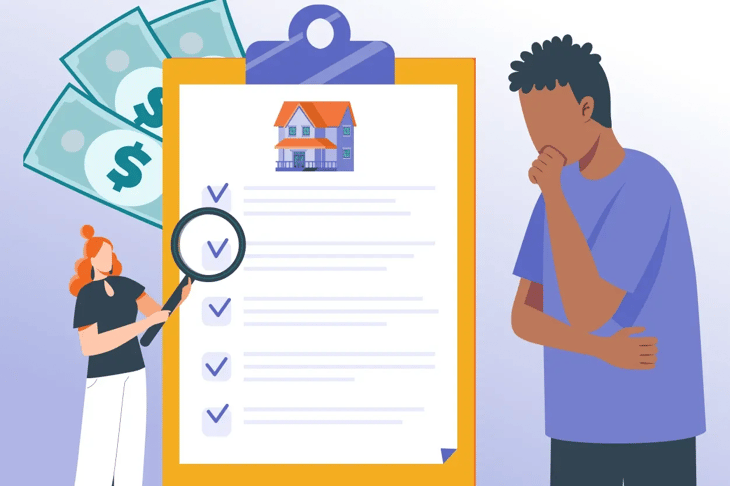
Can you make an offer on a contigent property

When a buyer submits an offer on a property, they may include contingencies that protect their interests and investment. These contingencies give the buyer the opportunity to back out of the transaction without losing their earnest money deposit if certain requirements aren't met.

Once the seller accepts the offer, the property is considered contingent until the contingencies are removed or fulfilled.

Common Types of Real Estate Contingencies

Because various factors can influence a homeowner's decision or ability to finalize a sale, real estate contracts frequently include several types of contingencies.

A financing contingency allows the buyer to cancel the purchase if they are unable to secure a mortgage or other financing. This protects buyers from being obligated to purchase a property without the necessary funds.

Many buyers request a home inspection before completing the purchase to avoid taking on an overwhelming rehab project they’re unprepared for.

If significant issues are discovered during the inspection, the buyer may negotiate repairs, request a credit, or walk away from the deal.

Lenders typically require an appraisal to confirm the property's value, as they are unlikely to lend more than a property is worth.

If the home appraises for less than the purchase price, the buyer may be able to renegotiate or cancel the contract.

Some buyers need to sell their current home before purchasing another.

A home sale contingency allows them to withdraw from the transaction if their existing property doesn't sell within a specified timeframe.


Can You Make an Offer on a Contingent Property?

how does contigent sale work

In many cases, yes.

Depending on the contract terms and local market practices, sellers may continue to accept backup offers while the property is contingent. They may do this because if the original transaction falls through, it allows the seller to move on to another interested buyer without relisting the property.

For buyers, contingent properties can sometimes present an opportunity to secure a home that appears to be off the market but hasn't officially closed yet.

How Do Contingent and Pending Statuses Differ?

While the terms are often confused, they represent different stages of a transaction.

A contingent property has an accepted offer, but certain conditions must be met before the sale can proceed. A pending property has moved further along in the process, with most or all contingencies satisfied and the transaction nearing closing.

In short, contingent means there are still hurdles to clear, while pending generally indicates the deal is on track to close.


Related Read: Contingent vs. Pending: What’s the Difference?


Why Contingent Properties Matter

Understanding contingent listings can help buyers identify additional opportunities in competitive markets and help sellers better navigate the closing process. For investors and agents, monitoring contingent properties may also provide insight into local market activity and potential backup-offer opportunities.

While a contingent status doesn't guarantee a transaction will fall through, it does mean the sale is not yet complete. Keeping an eye on these listings can help you stay informed and prepared should an opportunity arise.

Try PropStream for 7 Days Free to Start Finding Contingent Listings!
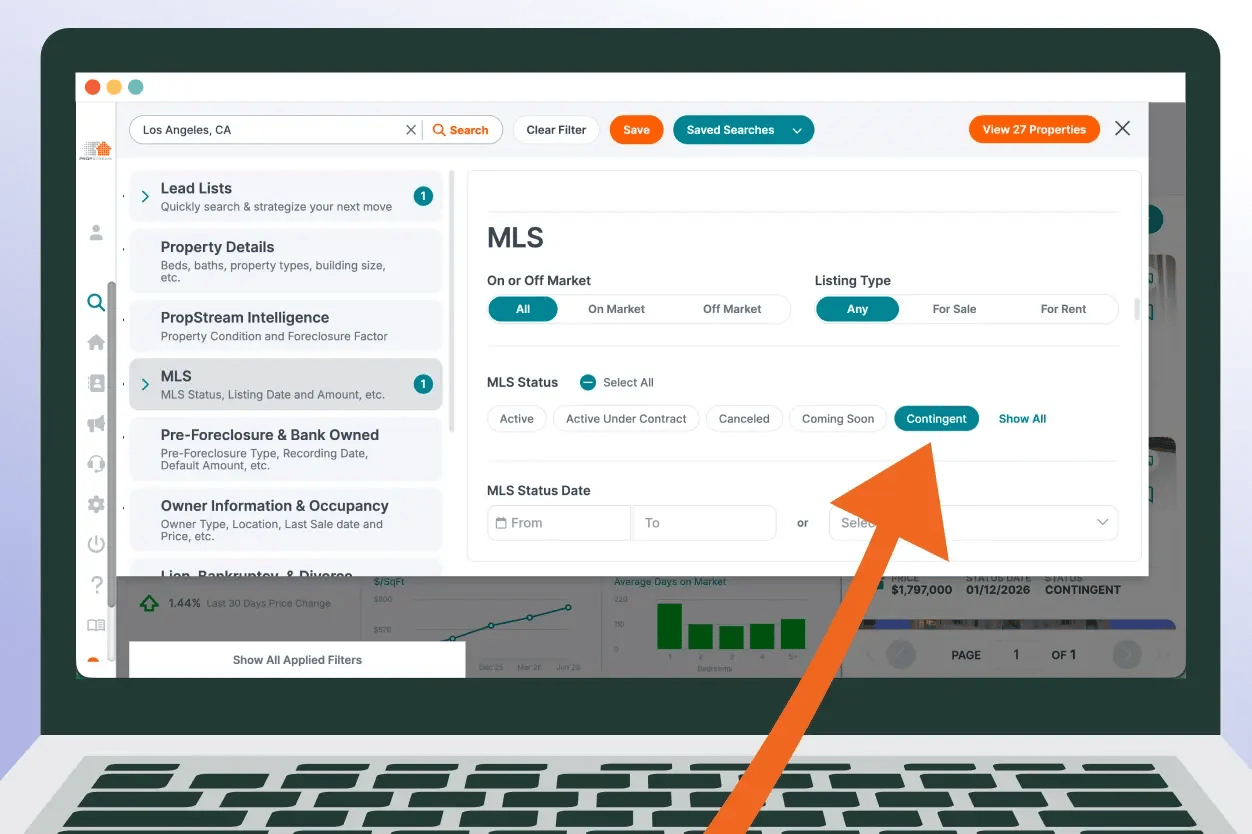
PropStream contigent filter

Looking for opportunities others might overlook? With PropStream, you can search properties by MLS status—including contingent listings—to uncover opportunities that may appear off-market but are still in play for buyers and investors who understand the nuances of real estate transactions.

Find Your Next Real Estate Deal With PropStream.

Sign up for a free 7-day trial today and get 50 leads on us!

Frequently-Asked Questions (FAQs)

What does contingent mean in real estate?

A contingent property has an accepted offer, but the sale is still dependent on certain conditions being met before the transaction can close. These conditions are known as contingencies and may include financing, inspections, appraisals, or the sale of another property.

Can you make an offer on a contingent property?

In many cases, yes. Some sellers continue accepting backup offers while a property is contingent. If the original contract falls through, a backup buyer may have an opportunity to move forward with the purchase.

What's the difference between contingent and pending?

A contingent property still has one or more conditions that must be satisfied before the sale can proceed. A pending property has typically cleared most or all contingencies and is much closer to closing.

Why do home sales become contingent?

Most real estate transactions include contingencies that protect buyers and sellers. Common examples include financing, home inspection, appraisal, and home sale contingencies.

Can a contingent sale fall through?

Yes. If a contingency is not satisfied—for example, if a buyer cannot secure financing or a home inspection reveals major issues—the contract may be canceled, and the property could return to the market.

How long does a property stay contingent?

The timeline varies by transaction, but contingent periods often last anywhere from a few days to several weeks, depending on the type of contingencies and how quickly they can be resolved.

Should investors pay attention to contingent properties?

Absolutely. Contingent listings can sometimes present opportunities if the original deal falls through. Monitoring these properties can help investors identify potential opportunities before they become widely available again.

Are contingent properties considered off-market?

Not necessarily. While a contingent property has an accepted offer, the transaction is not final. Depending on the seller's preferences and local market practices, backup offers may still be accepted.

What are the most common contingencies in a real estate contract?

The most common contingencies include:

  • Financing contingency
  • Home inspection contingency
  • Appraisal contingency
  • Home sale contingency
  • Title contingency
How can I find contingent properties?

Tools like PropStream allow users to filter properties by MLS status, including contingent listings. This makes it easier to identify properties that may still present opportunities, even after an offer is accepted.


Subscribe to PropStream's Newsletter


Table of Contents

    Published by PropStream June 29, 2026
    PropStream