07.8.2026 PropStream
Disclaimer: The information provided in this article is for educational and informational purposes only and should not be construed as legal, tax, financial, or business advice. LLC formation requirements, filing fees, tax obligations, and business regulations vary by state and individual circumstances. Before making decisions regarding business formation, taxes, liability protection, or compliance, consult with a qualified attorney, accountant, or other licensed professional who can provide guidance specific to your situation.
|
Key Takeaways:
|
Whether you’re wholesaling properties, flipping homes, building a rental portfolio, or operating an entirely different business, setting up the right structure is one of the most important early steps for protecting your assets and operating professionally.
From forming an LLC to applying for an EIN and understanding DUNS numbers, here’s a breakdown of what business owners should know before getting started.
What Is an LLC?
An LLC, or Limited Liability Company, is a legal business structure designed to separate your personal assets from your business liabilities. This separation can provide an added layer of protection if legal issues or debts arise from business activities.
Many business owners form LLCs because they’re relatively easy to establish and offer flexibility in tax and management structures. An LLC can also help create a more professional business presence when working with lenders, vendors, or clients.
While an LLC does not guarantee complete legal protection, it can help reduce personal risk when operated correctly.
Related Read: The Benefits of Setting Up an LLC as a Real Estate Investor
What Is the Difference Between an LLC and a Sole Proprietorship?
The most significant difference between an LLC and a sole proprietorship is the level of legal separation between the owner and the business.
Other key differences include:
| LLC | Sole Proprietorship |
| Requires state registration | No formal registration is required in most cases |
| Offers liability protection | No personal liability protection |
| May involve annual fees and filings | Minimal setup costs |
| Can help build business credibility | Simpler but less formal |
| Separates business identity from personal | Owner and business are legally the same |
How to Get an LLC
Starting an LLC typically involves a few basic steps:
- Choose a business name that complies with your state’s regulations.
- File Articles of Organization with your Secretary of State.
- Pay the required state filing fee.
- Designate a registered agent for receiving legal documents.
- Create an operating agreement—this is a good idea regardless of whether your state requires one.
- Apply for an EIN through the IRS (more on this later).
Some investors choose to complete the process themselves online, while others use attorneys or business formation services for additional guidance. Because LLC rules vary by state, it’s important to review your local filing requirements before submitting paperwork.
How Much Does It Cost to Set Up an LLC?
The cost of forming an LLC depends largely on your state. Filing fees can range anywhere from around $50 to several hundred dollars.
Additional expenses may include:
For investors planning to scale their businesses, these upfront costs are often viewed as part of establishing long-term credibility and liability protection.
Once you’ve formed your LLC, there are a few additional registration steps you need to take, starting with obtaining an EIN.
What Is an EIN?
An EIN, or Employer Identification Number (issued by the IRS), is a unique nine-digit number that identifies your business for tax purposes. Its function mimics a Social Security number, but for your company instead of for personal use.
Even if you do not plan to hire employees immediately, many LLC owners still obtain an EIN because it is often required for:
- Opening business bank accounts
- Applying for business credit
- Filing taxes
- Working with vendors or lenders
For business owners, using an EIN instead of a personal Social Security number can also help maintain better separation between personal and business finances.
How to Start an IRS EIN Online Application
Applying for an EIN is typically a straightforward process completed directly through the IRS website.
|
To begin, you’ll generally need:
|
The online application is free and usually takes only a few minutes to complete. Once approved, the EIN is typically issued immediately.
Important note: Business owners should be cautious about third-party websites charging unnecessary fees to obtain an EIN that can be obtained directly from the IRS at no cost.
Once you’ve successfully applied for an EIN for your LLC, a DUNS number is an excellent next step to boost your business’s credibility.
What Is a DUNS Number?
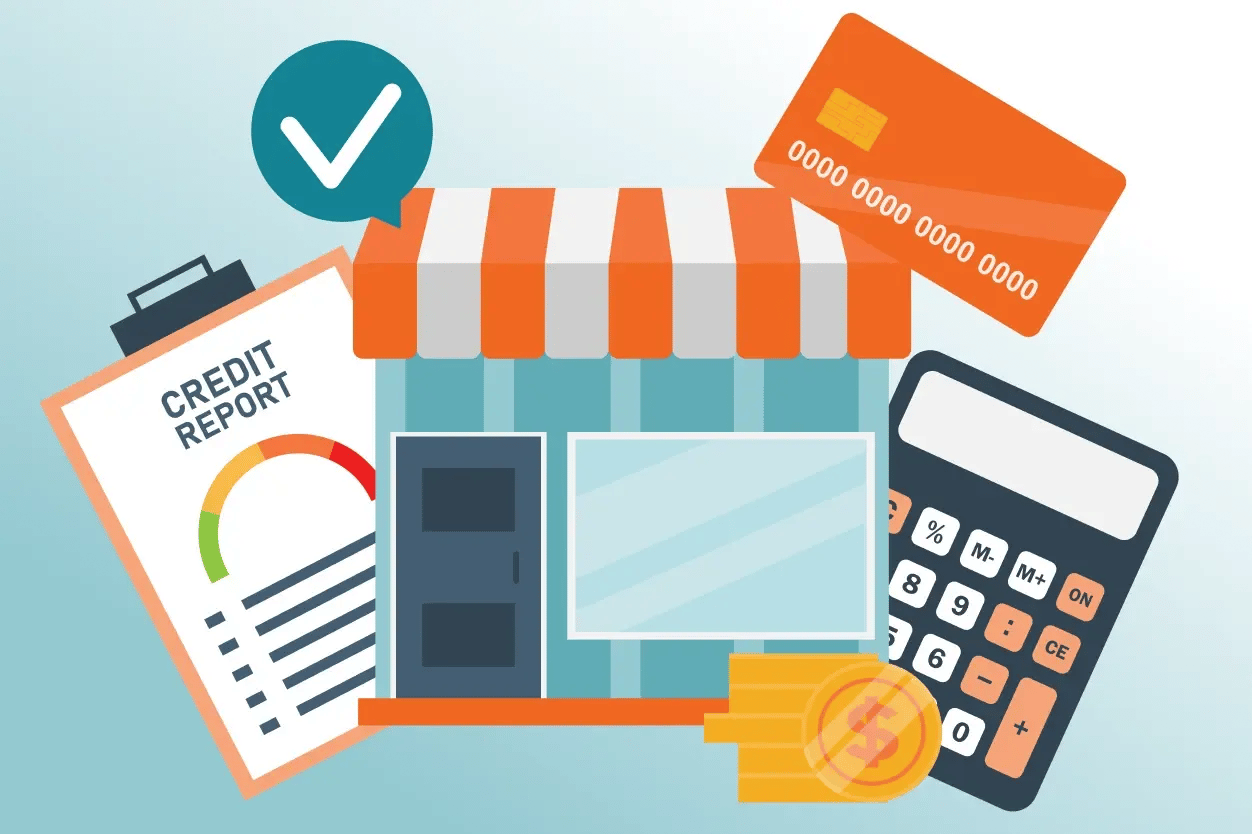
A DUNS Number, short for Data Universal Numbering System, is a unique business identifier issued by Dun & Bradstreet. It is commonly used to establish and track a company’s business credit profile.
While an EIN is tied primarily to tax reporting, a DUNS number focuses more on business credibility and credit reporting. Some lenders, vendors, and commercial partners may review a company’s DUNS profile when evaluating financial reliability or extending credit.
For business owners looking to scale, a DUNS number is vital for business credibility.
How To Get a DUNS Number
You can apply for a DUNS number directly through Dun & Bradstreet’s website. The process typically requires:
- Your business's legal name
- A business address
- A business phone number
- Business structure information
- Your number of employees
Depending on the selected registration method, approval timelines may vary.
Once your business is registered, Dun & Bradstreet may begin creating a business credit file tied to your company’s financial activity and payment history.
What’s the Difference Between an EIN, a DUNS Number, and an LLC?
.webp?width=1252&height=834&name=propstream_blog_inline_image_howtocreateanllc_4_1252x834%20(1).webp)
Although they are all tools for identifying businesses, EINs, DUNS numbers, and LLCs serve different purposes.
| EIN—Issued by the IRS | DUNS—Issued by Dun & Bradstreet | LLC—The Legal Business Structure |
| Used For | Used For | Used For |
| Tax reporting | Business credit tracking | Separating business and personal assets |
| Business banking | Vendor credibility | Improving taxation flexibility |
| Payroll and employment purposes | Commercial financing evaluations | Establishing business credibility |
In simple terms:
- EIN = Tax identity
- DUNS = Business credit identity
- LLC = Legal business structure
Many business owners choose to obtain both EIN and DUNS numbers for their LLCs as they grow and formalize their business operations.
Next Step: Use BatchDialer Remediation to Verify Your Business for Cold-Calling Purposes
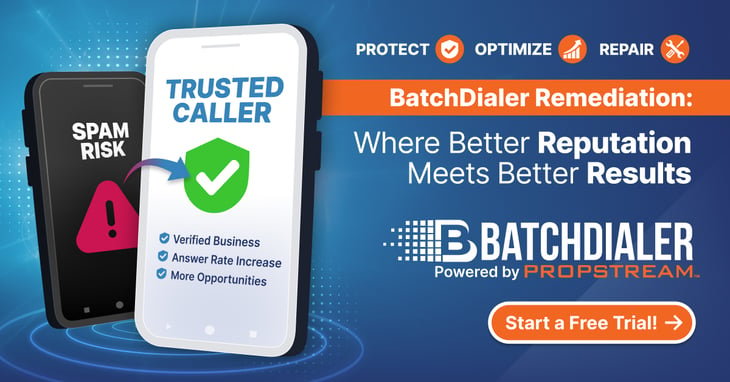
When it comes to business legitimacy, forming an LLC and obtaining an EIN and DUNS are vital steps. But if your business relies heavily on cold calling, all that hard work could go to waste if you aren’t utilizing the necessary tools to avoid getting spam labels.
Luckily, it doesn’t have to be complicated—meet your new cold-calling asset: BatchDialer Remediation!
Remediation is a built-in feature of BatchDialer that enables business verification, in turn, improving caller reputation, reducing spam labeling, and ultimately increasing answer rates.
By providing an EIN or a DUNS, BatchDialer users can submit a business verification request and, in just a few days, boost their business credibility.
Learn more about BatchDialer Remediation here.