Disclaimer: PropStream does not offer legal advice. This article is for informational purposes only. We recommend conducting your own research or consulting legal professionals before investing in off-market real estate.
| Quick Answer: Predictive real estate data platforms find off-market opportunities by pulling property and ownership data from public records and other sources into one searchable database. They then organize this data with filters and score properties on their likelihood of selling. |
Top investors often buy properties off-market because they can get them at a discount. Think about it: Less buyer competition and motivated sellers tend to lead to more bargaining power.
However, finding off-market opportunities can be challenging. After all, they aren’t listed for sale (by definition), so you must research homes that are likely to (but haven’t yet) hit the market.
Fortunately, predictive real estate data platforms like PropStream can do the heavy lifting for you by aggregating property data from multiple sources, organizing it, and grading properties based on their likelihood of selling. Read on to learn how this works.
|
Key Takeaways:
|
Aggregating Real Estate Data From Multiple Sources
Looking for off-market deals in public records, old MLS listings, and other data sources can be time-consuming. A good real estate data platform aggregates data from all of the above into one place, so you don’t have to switch between platforms.
|
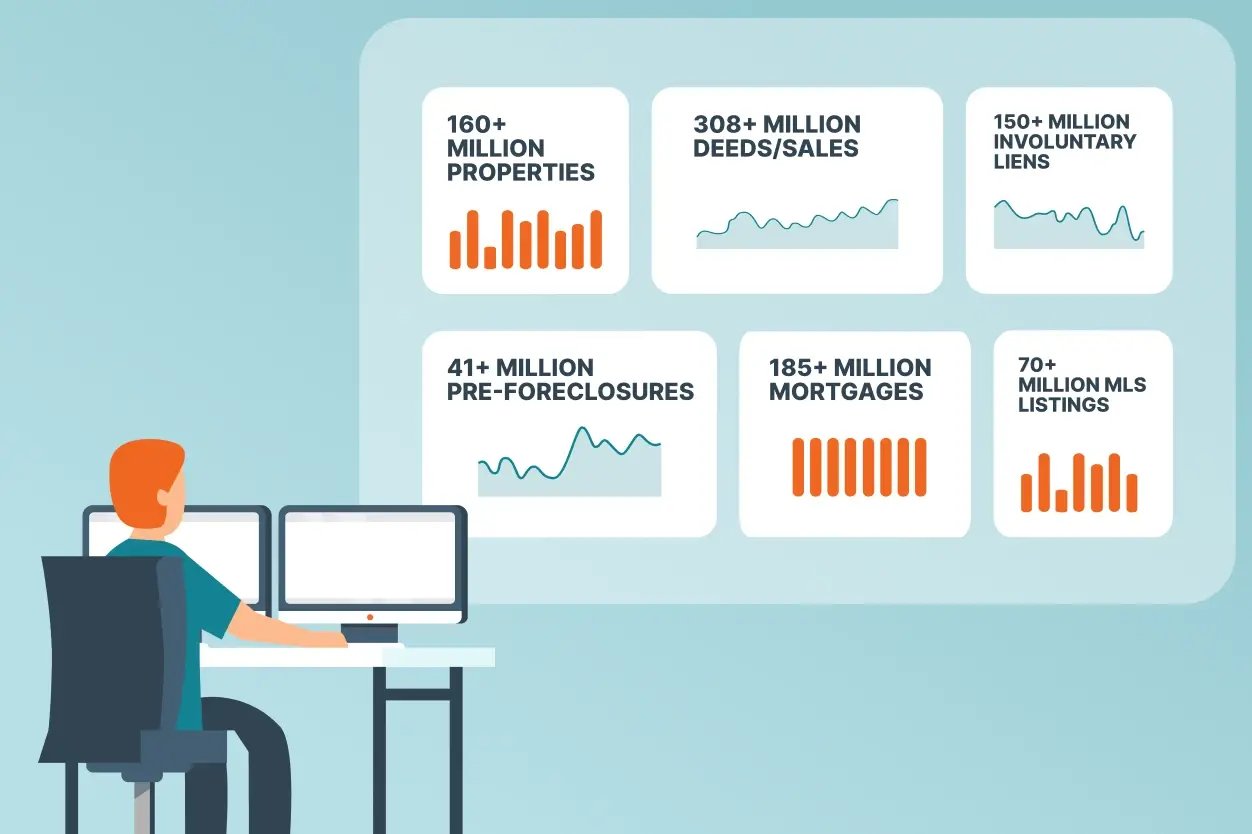
For example, PropStream aggregates data from public records, MLSs, and other proprietary sources nationwide. As a result, the platform includes information on
|
All in all, the platform contains over 7 billion document images.
Why learn how to navigate different county record systems and buy access to different MLSs when you can get it all on one easy-to-use software?
Organizing Various Types of Property Data for Easy Filtering
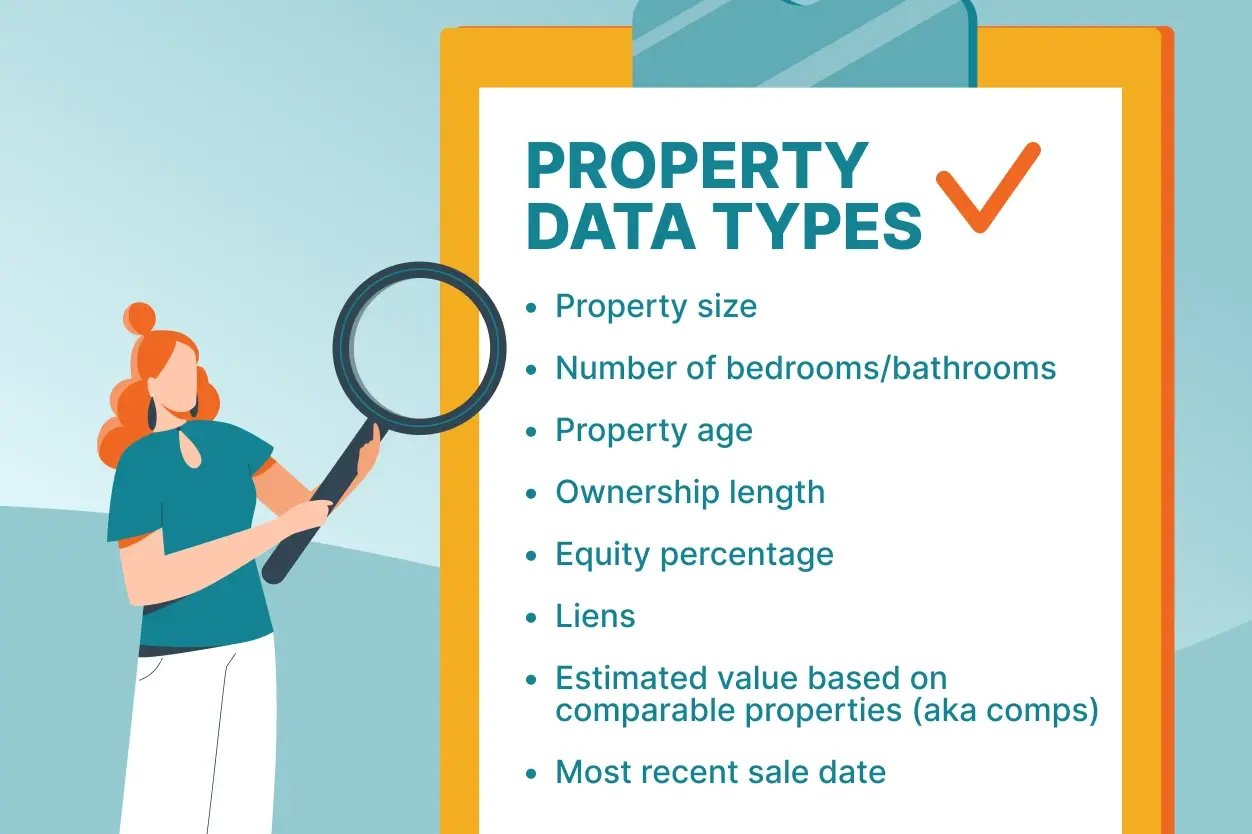
Data aggregation is just the first step. Real estate data platforms then index data by various property and homeowner characteristics, allowing you to narrow your property search with filters.
|
Among other things, indexable property features include:
|
Investors can apply filters to their property search to narrow it down to only those properties that meet their investment criteria. This can save you hours of research on deals that won’t be worthwhile.
Pro Tip: PropStream offers over 165 search filters, including 20 pre-built Lead Lists, to help you quickly identify potential off-market opportunities. When a new property meets your saved search criteria, you’ll automatically be notified.
Scoring Unlisted Properties Based on Likelihood of Selling
Predictive real estate data platforms take it a step further by also scoring (unlisted) properties based on their likelihood of selling. This gives you deeper insight into which off-market opportunities are most worth pursuing.
PropStream does this in two ways. First, its Foreclosure Factor feature scores properties from “Very Low” to “Very High” based on their likelihood of entering foreclosure in the next 12 months. It does this using a variety of data and AI-powered algorithms. Users can set a foreclosure factor range to narrow potential off-market deals.
Similarly, PropStream’s Property Condition Score lets you filter properties by their physical condition. It's powered by an AI tool that analyzes MLS photos and gives you an overall rating (and even one for each room). Simply set your search to a specific property condition (or range of conditions), and let PropStream narrow your search for you.
Making Property Data More Accessible with Natural Language Processing (NLP)
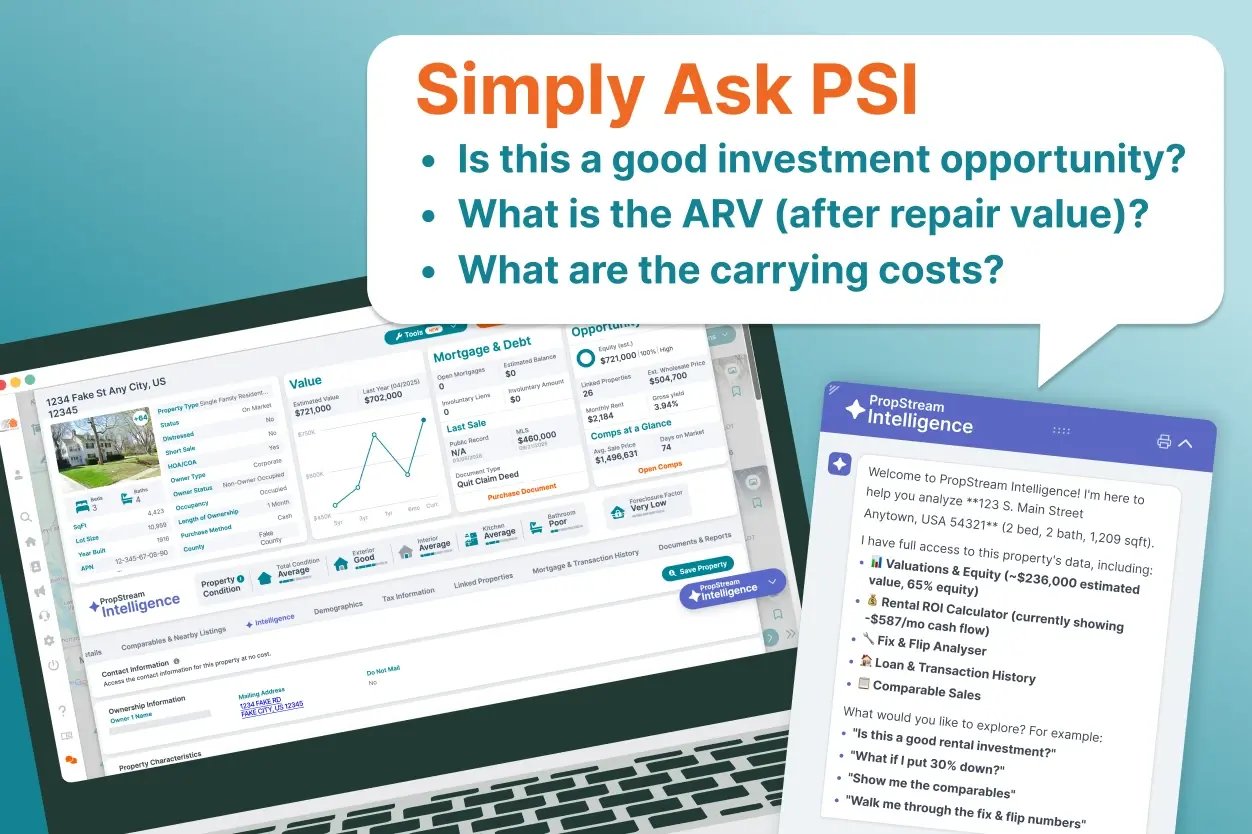
Finally, state-of-the-art real estate data platforms like PropStream let you query them via natural language processing (NLP) on each Property Details page. This means you don’t need to manually sort through pages of property information yourself.
For example, you can ask the PropStream Intelligence Assistant (PSI) questions like:
- Is this a good investment opportunity?
- What’s the estimated cap rate or ROI?
- How does this property compare to nearby comps?
- What risks should I consider?
By using PSI this way, you can spend less time analyzing data and more time actually building relationships with prospects and closing deals.
Pro Tip: PropStream now offers an AI Search function that lets you build advanced property searches in seconds using plain language or voice commands. Simply describe the property you're looking for, and PropStream automatically stacks the right filters—no manual setup required. Learn more.