|
Key Takeaways:
|
While many investors are familiar with foreclosure auctions, some of the most accessible opportunities occur earlier in the process during pre-foreclosure.
Understanding the difference can help investors identify motivated sellers before competition increases and before a property reaches the courthouse steps. Let's take a closer look at foreclosures and pre-foreclosures, how they differ, and why many investors focus on opportunities earlier in the foreclosure timeline.
What Are Foreclosure Properties?
A foreclosure property is a home that has been repossessed by a lender after the homeowner fails to make their mortgage payments and is unable to resolve the default. Once the foreclosure process is complete, ownership of the property transfers from the homeowner to the lender or a new buyer through a foreclosure sale.
|
The foreclosure process generally follows several stages:
|
Because foreclosure properties are often associated with discounted purchase prices, they attract significant attention from investors. However, even experienced investors approach foreclosures with caution. Properties are often sold as-is, may offer limited investigatory rights, and can sometimes remain occupied after the sale and require an eviction. We'll take a closer look at the risks associated with foreclosure properties later in this article.
What Are Pre-Foreclosure Properties?
A pre-foreclosure property is a home whose owner has fallen behind on mortgage payments but still retains ownership of the property. This stage typically begins after the lender issues a formal notice of default or similar legal filing and occurs before the property is sold at a foreclosure auction or repossessed by the lender.
|
At this stage, homeowners generally have a few options available to avoid foreclosure.
|
In fact, lenders generally prefer to avoid taking ownership of a property due to the time, expense, and resources involved in the foreclosure process.
Buying a Foreclosure vs. Buying a Pre-Foreclosure
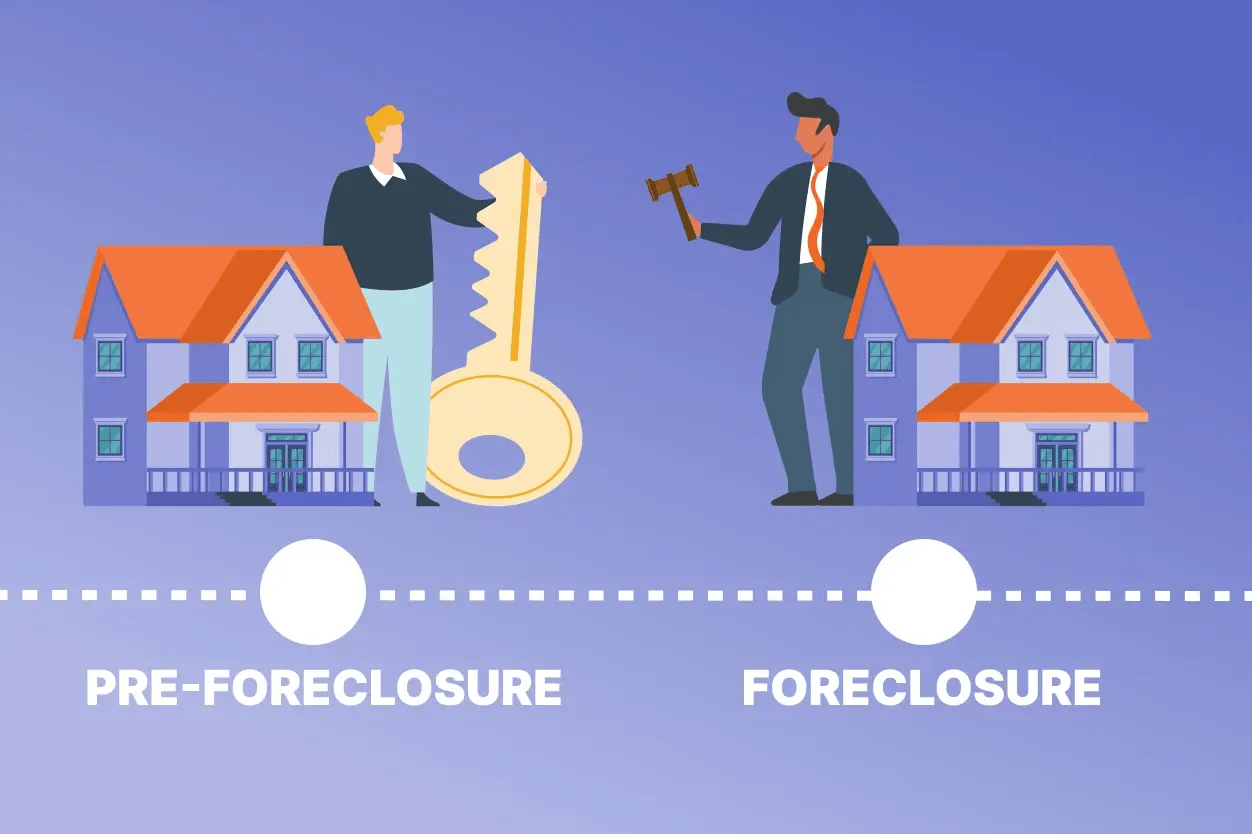
While both foreclosure and pre-foreclosure properties can present opportunities for investors, the buying experience differs significantly depending on the stage of the foreclosure process.
In a foreclosure, the lender has typically taken control of the property or is selling it through an auction, which leads to less flexibility. In a pre-foreclosure, the homeowner still owns the property and has the ability to sell it on his own terms before foreclosure is finalized.
Pros and Cons of Buying Foreclosures
Foreclosure properties can offer opportunities for investors seeking discounted acquisitions, but they often come with additional risks and due diligence requirements.
| Pros | Cons |
| Potential to purchase below market value | Properties may be sold sight unseen and as is. |
| Access to properties that may not be listed through traditional channels | Limited or no inspection rights in some foreclosure sales |
| Opportunities for fix-and-flip, rental, or long-term investment strategies | Occupancy issues may lead to evictions that will fall on the buyer |
| REO properties may have a clearer ownership structure than some distressed properties | Potential title, lien, or legal complications need to be sorted by the buyer |
| Some foreclosure properties may face less competition than retail listings | Certain auctions may require cash purchases |
The main benefit of buying a foreclosure, as mentioned above, is the possible low price. Banks don’t want to be responsible for maintaining the property. In some cases, sellers may prioritize buyers who can close quickly or offer cash, even if their bid is not the highest, reducing uncertainty and transaction risk.
Pro Tip: While the potential for a discounted purchase price is appealing, even experienced investors approach foreclosure properties with caution due to the unique risks, uncertainties, and potentially lengthy timelines associated with inspections, title research, occupancy issues, repairs, and resale preparation.
Pros and Cons of Buying Pre-Foreclosures
Pre-foreclosures are often viewed as a more accessible entry point into distressed property investing because investors can engage earlier with the homeowner in the process, perform more thorough due diligence, and negotiate directly.
| Pros | Cons |
| More flexibility around pricing, financing, and closing timelines | Not every pre-foreclosure homeowner will be underwater and is interested in selling |
| Traditional financing options may be available | Some homeowners may resolve their financial situation and avoid foreclosure altogether |
| Opportunity to identify deals before they reach public auction | Negotiations can sometimes take longer than a foreclosure purchase |
| Ability to communicate and negotiate directly with the homeowner | Additional outreach and follow-up may be required |
| More time to evaluate the property and perform due diligence | Property condition can still vary, as deferred maintenance or title issues may still exist. |
Also, owners who want to sell their pre-foreclosure homes are highly motivated. They need to sell before the foreclosure hits their record and ruins their credit. Because of this, the homeowner may be more willing to negotiate depending on your payment terms, allowing you to get the best deal.
The Secret to Getting a Pre-Foreclosure Deal
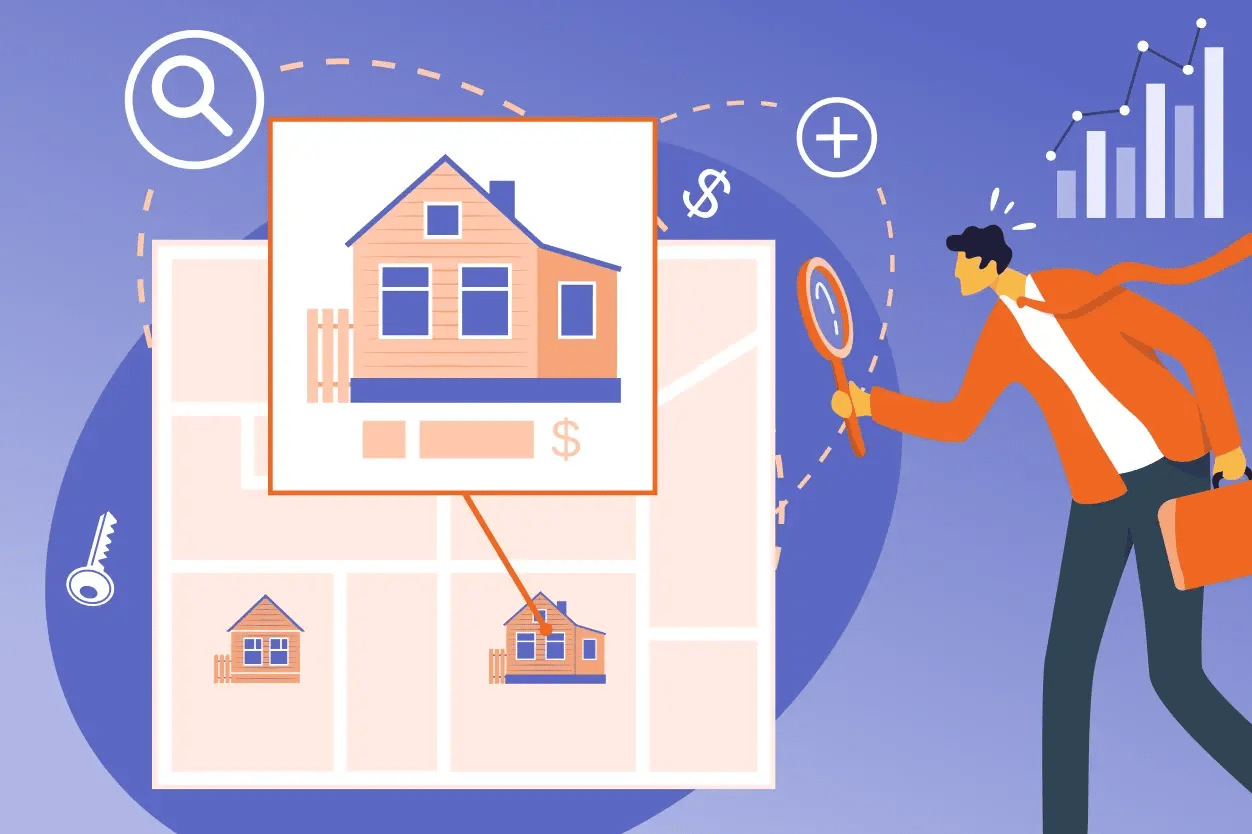
The secret to finding deals isn't just identifying pre-foreclosure properties—it's identifying homeowners who are both motivated and in a position to sell. Very few do the research to find pre-foreclosures that aren’t yet listed for sale. If you do, you'll likely face little to no competition with other buyers.
Look Beyond Missed Mortgage Payments
A pre-foreclosure filing indicates financial distress, but it doesn't always tell the full story. To better understand the property, investors often look for additional signs of motivation. That's where PropStream can help.
Using the Pre-Foreclosure Lead List, investors can layer additional filters and property insights to identify homeowners who may be facing multiple motivating factors, including:
- High Equity
- Long ownership history
- Vacant property status
- Absentee ownership
- Tax delinquency
- Deferred maintenance or property condition issues
- Life events such as divorce, inheritance, or financial hardship
By combining multiple indicators, investors can prioritize leads that may be more likely to result in a conversation or transaction.
Analyze the Property Before Making an Offer
Once you've identified a potential pre-foreclosure lead, the next step is determining whether it's worth pursuing.
Instead of manually reviewing dozens of data points, the PropStream Intelligence Assistant (PSI) can help investors quickly analyze a property's potential and identify factors that may impact the deal.
|
For example, investors can ask the PSI Assistant questions such as:
|
Rather than spending hours sorting through property records, the PSI Assistant can help summarize key information, highlight potential opportunities, and identify areas that may require additional due diligence.
Pro Tip: Investors can also use PropStream's built-in comparable sales (comps) tool to analyze recently sold properties with similar characteristics. This helps to better understand a property's estimated market value, evaluate potential profit margins, and develop a more informed offer strategy before contacting the homeowner.
Sensible Outreach Is Key
Homeowners facing pre-foreclosure are often navigating financial stress, unexpected life events, or difficult personal circumstances, so being mindful before making contact is essential. Take the time to review and understand the details of the lead list you've created.
Once you do, use PropStream's free skip tracing* to uncover property owner contact information, then leverage built-in calling tools such as Click-to-Dial or Dialer Campaigns to begin your outreach.
Rather than leading with a purchase offer, focus on understanding their situation and goals first.
The most successful investors don't rush the conversation—they listen, ask thoughtful questions, and focus on finding solutions. In many cases, a homeowner may need guidance as much as they need a buyer. Taking a sensible, empathetic approach can help build trust and create outcomes that benefit both parties.
Foreclosure or Pre-Foreclosure: Which Opportunity Is Right for You?
Both foreclosure and pre-foreclosure properties can present investment opportunities, but they require different approaches.
While both strategies have their place, many investors focus on pre-foreclosures because they provide an opportunity to engage with homeowners earlier in the process and evaluate potential deals before they reach auction.
Whether you're pursuing your first investment property or your next acquisition, combining powerful tools like PropStream with aggregated property data, thorough research, and thoughtful outreach can help you identify opportunities and make more informed investment decisions.
*PropStream engages an independent third party to perform skip-tracing.